

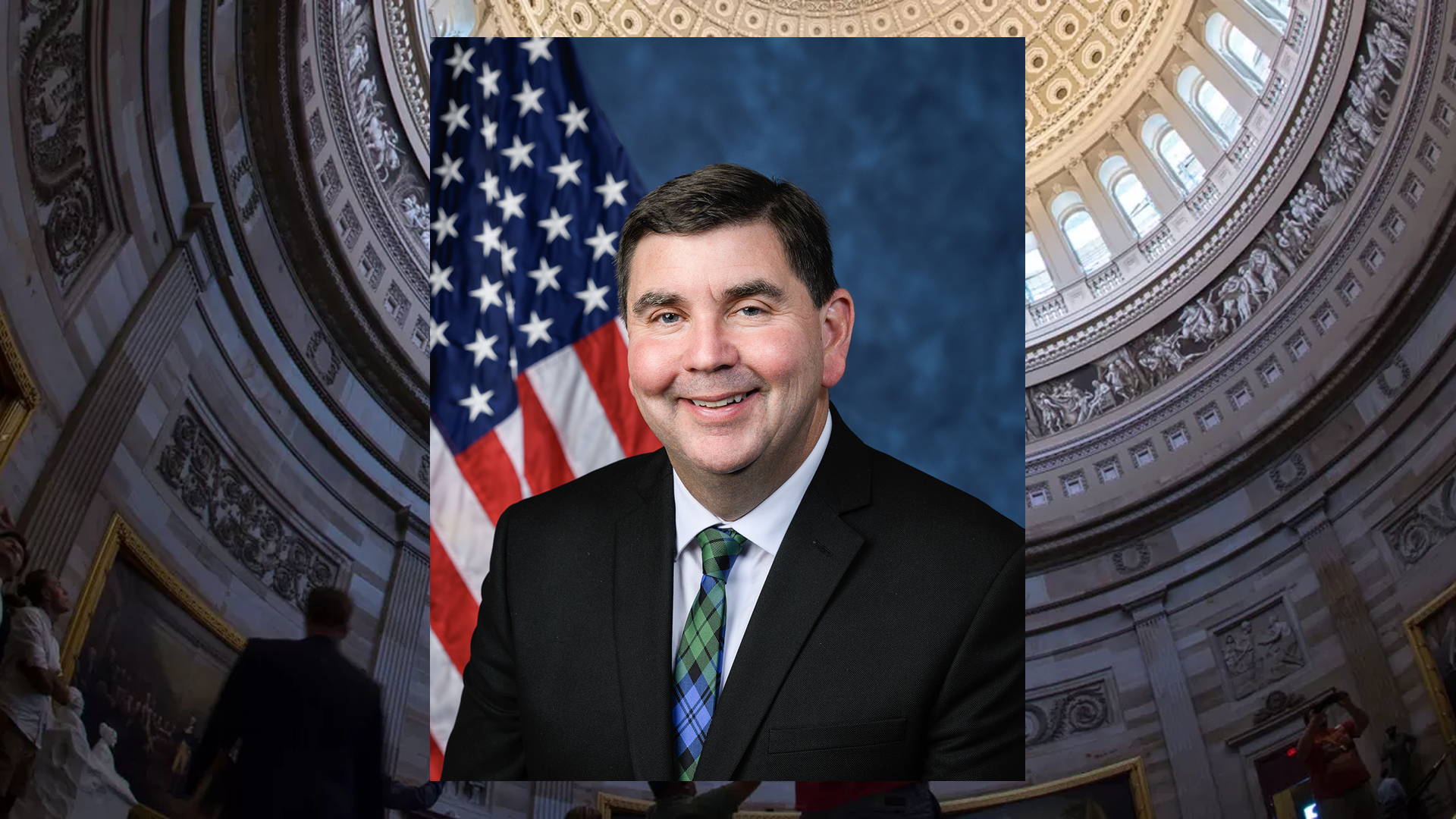
We have received text from H.R. 8979: Elementary and Secondary School Counseling Act. This bill was received on 2026-05-21, and currently has 4 cosponsors.
Here is a short summary of the bill:
This bill, known as the Elementary and Secondary School Counseling Act, aims to improve the availability of mental health services in public elementary and secondary schools, particularly in high-need areas. Here are the key components of the bill:
1. Purpose and Goals
The primary goal of the bill is to effectively staff high-need public schools with school-based mental health services providers. This includes school counselors, psychologists, social workers, and community mental health professionals. The bill is based on findings that a significant number of adolescents experience mental health issues, and that accessible mental health services in schools can help students seek help more readily.
2. Funding and Grants
The bill proposes to allocate federal funds to support school-based mental health services. This includes:
- Grants to States: States can apply for grants to fund local educational agencies (LEAs) that serve high-need schools. This funding is intended to help recruit and retain mental health service providers in these schools.
- Subgrants to Local Educational Agencies: States using the received grants will award subgrants to LEAs, enhancing access to mental health services.
- Matching Funds: States are required to contribute matching funds amounting to 20% of the grant received.
3. Criteria for High-Need Schools
The bill defines "high-need schools" as those that have a greater need for mental health services, which likely includes schools serving lower-income populations or schools with higher rates of student mental health issues. The bill emphasizes the importance of meeting recommended counselor-to-student ratios, which are:
- 250 students per school counselor
- 500 students per school psychologist
- 250 students per school social worker
4. Reporting and Evaluation
Local educational agencies that receive subgrants must provide annual reports on how the funds are being utilized. These reports should detail the number of mental health providers, the activities funded, and the current student-to-provider ratios. States are also required to submit annual reports to the Secretary of Education assessing progress toward achieving the recommended ratios.
5. Appropriations
The bill authorizes a total of $5 billion in federal funds for the fiscal year 2027 to support its initiatives, with provisions for additional funding in subsequent years as necessary.
6. Duration and Continuation
Grants awarded under this bill will be for a five-year period, with the potential for renewal if progress is demonstrated in meeting stipulated goals regarding mental health staffing.
7. Definitions
The bill provides definitions for key terms including "school-based mental health services provider," "high-need school," and others that are relevant to its implementation.
Relevant Companies
- PFE (Pfizer Inc.): As a company involved in health services and products, Pfizer may see increased demand for mental health treatment options as more schools enhance their mental health support services.
- CI (Cigna Corporation): Being a major health insurance provider, Cigna could experience impacts regarding mental health coverage and services as schools seek partnerships for mental health staffing.
Representative John Mannion Bill Proposals
Here are some bills which have recently been proposed by Representative John Mannion:
- H.R.8979: Elementary and Secondary School Counseling Act
- H.R.8978: Enhancing Mental Health and Suicide Prevention Through Campus Planning Act
- H.R.7262: READ Act
- H.R.6968: Immersive Technology for the American Workforce Act of 2025
- H.R.6099: To designate the facility of the United States Postal Service located at 2200 South Salina Street in Syracuse, New York, as the "Wallie Howard Jr. Post Office Building".
- H.R.5436: To amend title 38, United States Code, to prohibit an educational institution from withholding a transcript from an individual who pursued a course or program of education at such institution using Post-9/11 educational assistance.
You can track bills proposed by Representative John Mannion on Quiver Quantitative's politician page for Mannion.
Representative John Mannion Net Worth
Quiver Quantitative estimates that Representative John Mannion is worth $456.0K, as of June 6th, 2026. This is the 401st highest net worth in Congress, per our live estimates.
Mannion has approximately $0 invested in publicly traded assets which Quiver is able to track live.
You can track Representative John Mannion's net worth on Quiver Quantitative's politician page for Mannion.
2026 New York's 22nd Congressional District Election
There has been approximately $29,383,977 of spending in New York's 22nd congressional district elections over the last two years, per our estimates.
Approximately $21,627,887 of this has been from outside spending by PACs and Super PACs. Some of the groups who are spending money in this race include:
- HMP ($5,255,105)
- CONGRESSIONAL LEADERSHIP FUND ($2,885,652)
- DCCC ($2,777,830)
- NRCC ($2,482,492)
- BATTLEGROUND NEW YORK ($2,023,287)
The rating for this race is currently "Solid D".
You can track this election on our matchup page for the 2026 New York's 22nd congressional district election.
This article is not financial advice. See Quiver Quantitative's disclaimers for more information.